

Elastomery
Each offer is created with an emphasis on quality, durability and adaptation to industry needs.
Select the seals you are interested in:
SBR, NBR, EPDM, SBR rubber
For making seals, spacers and technical elements resistant to abrasion, working conditions and selected media.

Silicon
For applications requiring flexibility, temperature resistance and stable operation in contact with various media.
FPM, FKM plates
For working with oils, fuels and chemical media where high resistance and material durability are required.
For components exposed to intense abrasion, mechanical loads and operation in demanding industrial conditions.
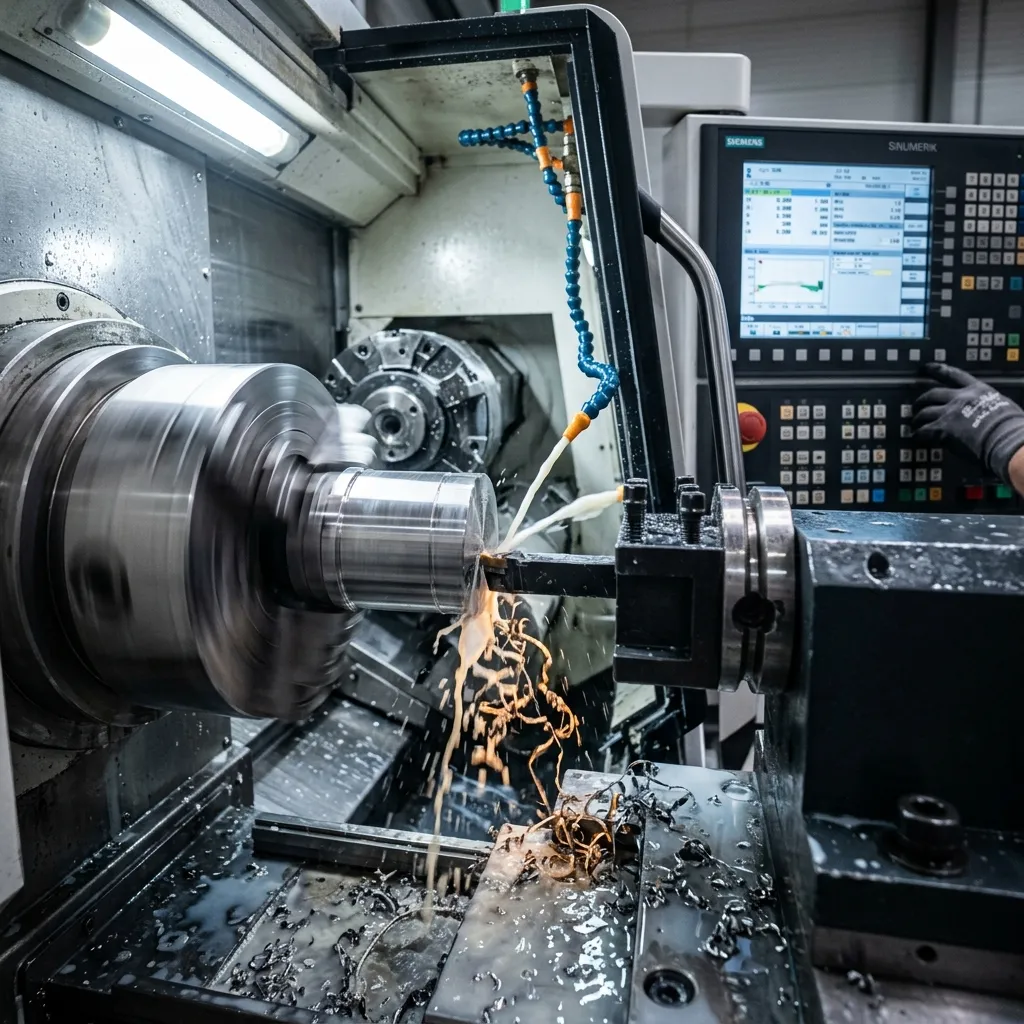
Elastomers are a group of materials characterized by the ability to reversibly deform under the influence of applied forces, while maintaining the continuity of their structure. This group includes both natural materials, such as rubber, and synthetic materials, such as rubber. Elastomers exhibit a change in shape under the action of compressive, shearing, and tensile forces, returning to their original shape and dimensions once these forces are removed.
Due to their elasticity, elastomers are excellent for damping vibrations and shocks, often contributing to reducing the noise emitted by these devices.
Elastomers, like most plastics, are used in many industries, including transportation, textiles, pharmaceuticals, chemicals, and machinery. They can be used to make components such as clutches, press bumpers, anti-vibration pads, seals, scrapers, and conveyor belt wipers.
Elastomeric materials are a fairly broad group of materials, but there are common features common to most of them:
good vibration damping,
weather resistance,
electrical insulation,
wide range of hardness (depending on the application).